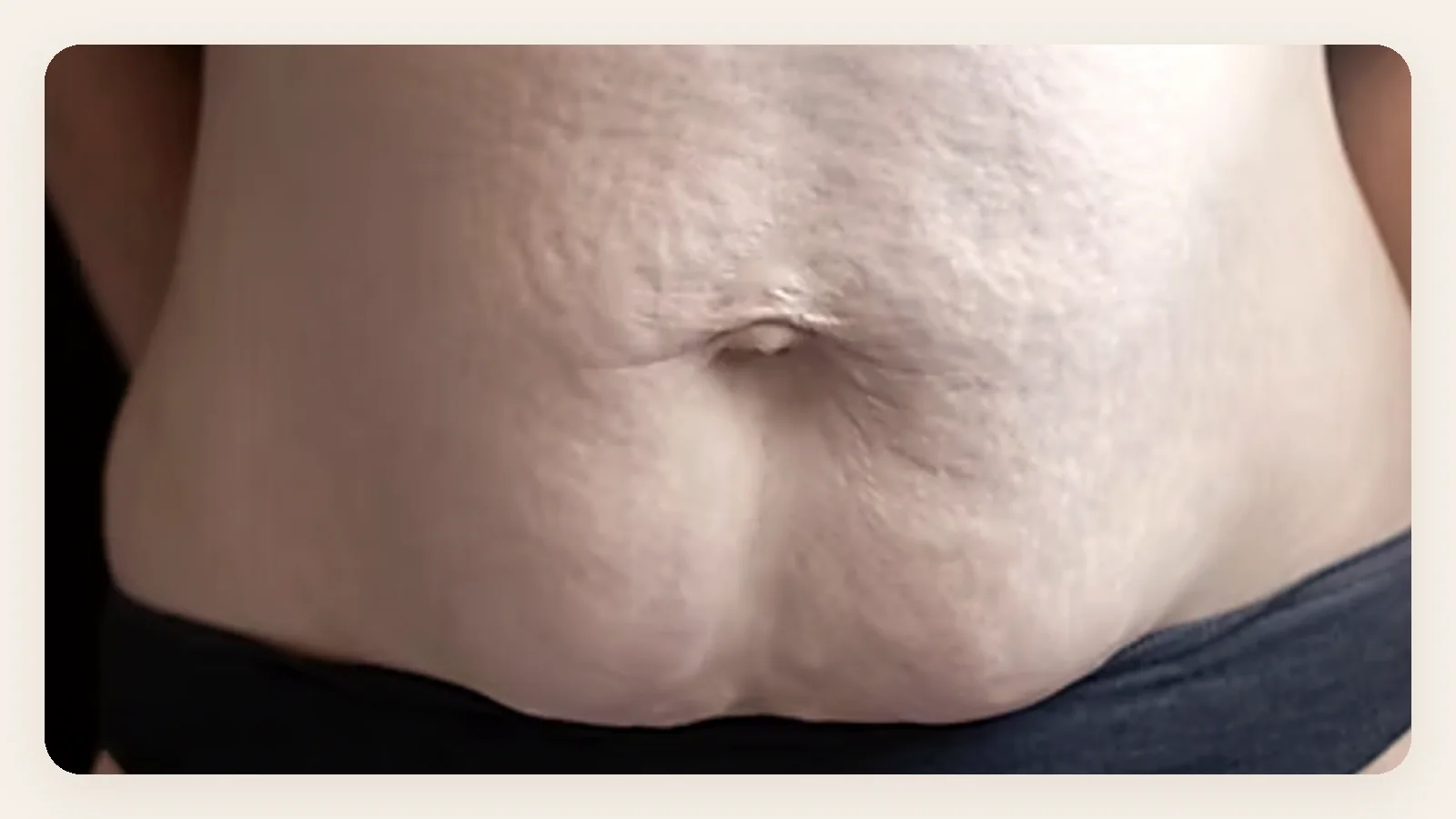
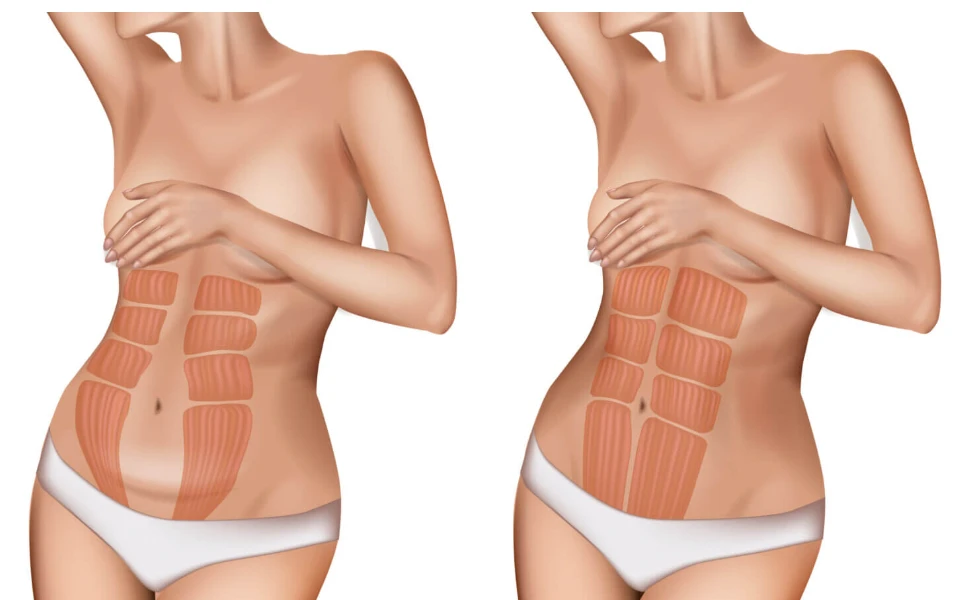
What is Diastasis Recti? A Complete Guide for Indian Mothers
Diastasis recti is the separation of your abdominal muscles down the middle of your belly, common after pregnancy. Here's what it is, why it happens, and what you can do about it.
Women's Health Physiotherapist
UK-qualified physiotherapist, founder of Alpha Physio Care
Ana is a UK-qualified women's health physiotherapist and the founder of Alpha Physio Care. Her clinical work focuses on postpartum rehabilitation: diastasis recti, pelvic floor dysfunction, cesarean recovery and the return to load after birth.
She built the Mum21 12-week program around progressive deep-core loading rather than generic ab work, so mothers rebuild pressure management before they rebuild strength.
Every clinical claim published on Mum21 passes through her review before it goes live.

Diastasis recti is the separation of your abdominal muscles down the middle of your belly, common after pregnancy. Here's what it is, why it happens, and what you can do about it.

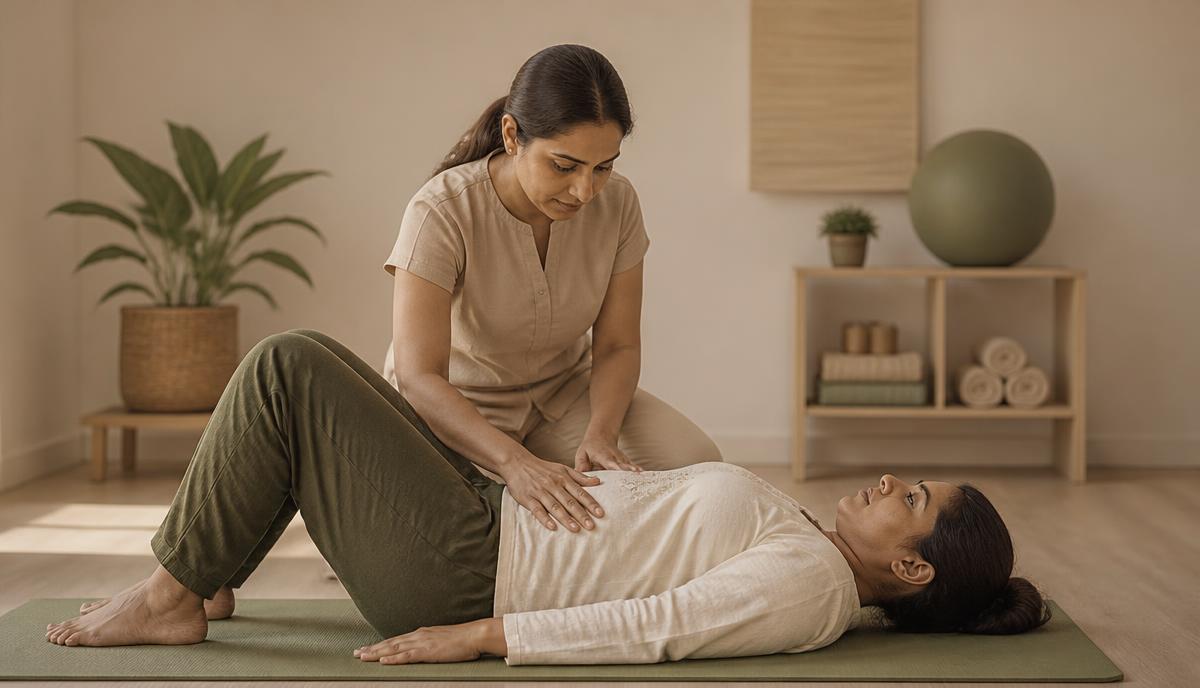
A step-by-step guide to the two-finger self-check for diastasis recti, no equipment, no appointment. Takes 60 seconds and tells you what you need to know.

That stubborn lower-belly bulge that stays no matter how much you diet or exercise? It's usually not fat. Here's what's actually going on and what fixes it.

A stiff pelvis is a leaky pelvis. Mobility work is the quiet accelerator most postpartum programs skip, and it fixes symptoms strength alone can't.

The honest answer is: sometimes, partially, and only within a specific window. Here's what the research shows, and what to do if your window has closed.

A realistic, physio-informed week-by-week guide to healing after a Caesarean, from day 1 in the hospital to full recovery at 6 months.

If you have diastasis recti, the exercises you avoid matter as much as the ones you do. Here's every movement to skip, and why.

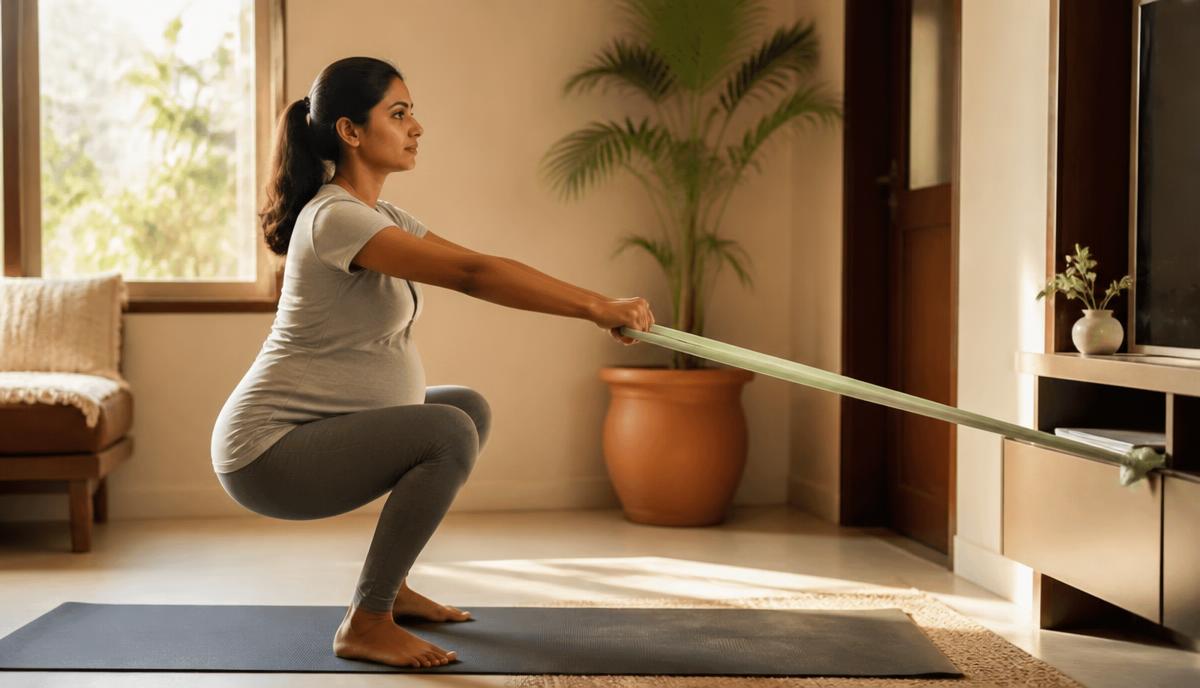
Squatting is a fundamental human movement your body needs back. Here's the safe, progressive way to rebuild it after birth, whether vaginal or C-section.

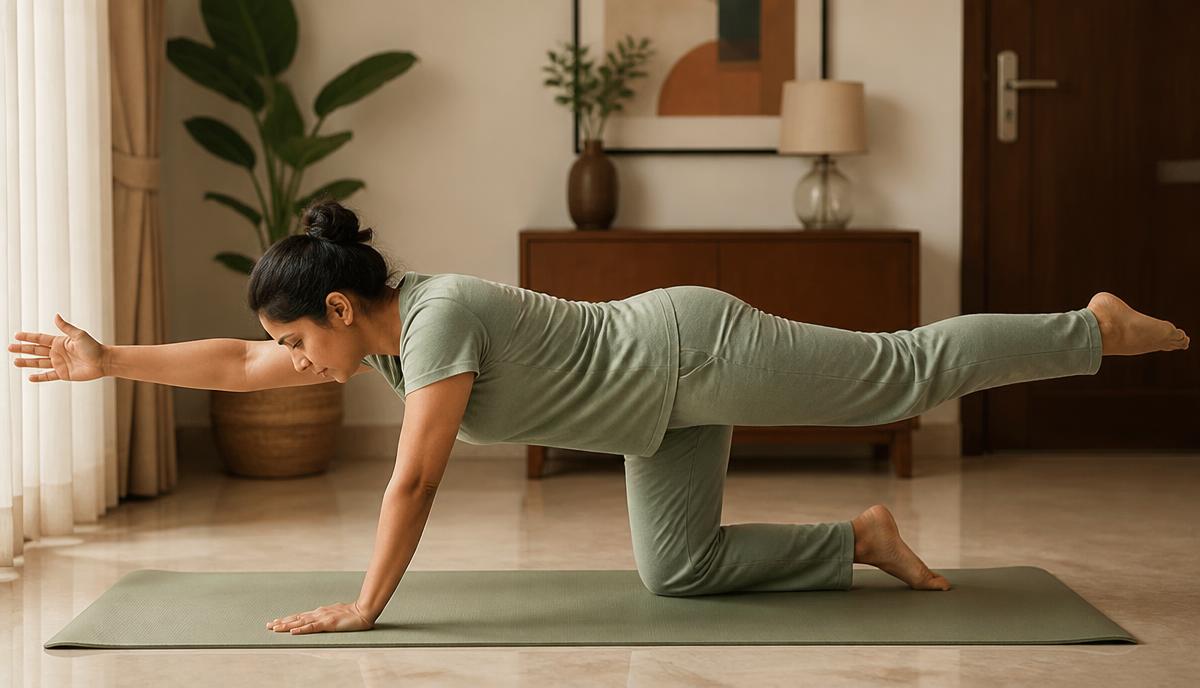
Safer than a plank, more effective than a crunch, and it trains your core exactly the way you need it to work when you're carrying baby.

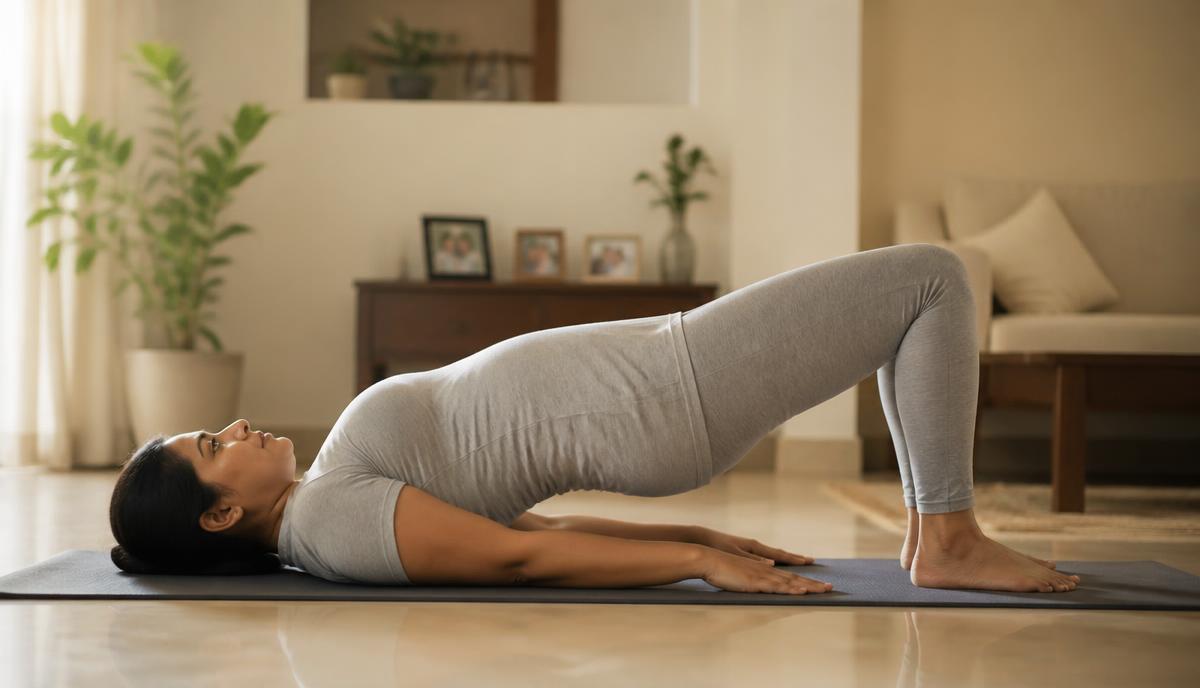
Weak glutes are the hidden cause of back pain, poor core engagement and pelvic floor overload. The glute bridge fixes all three in one movement.

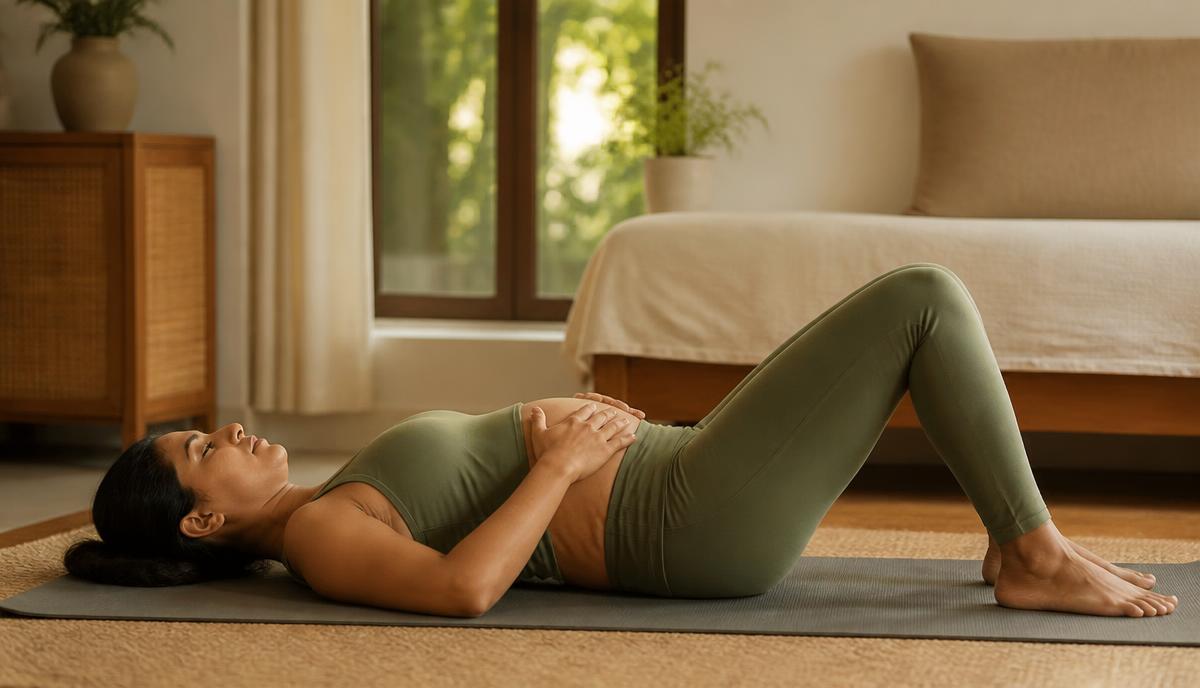
Before every other core exercise, learn this one. If your deep core can't fire, everything you build on top of it collapses.

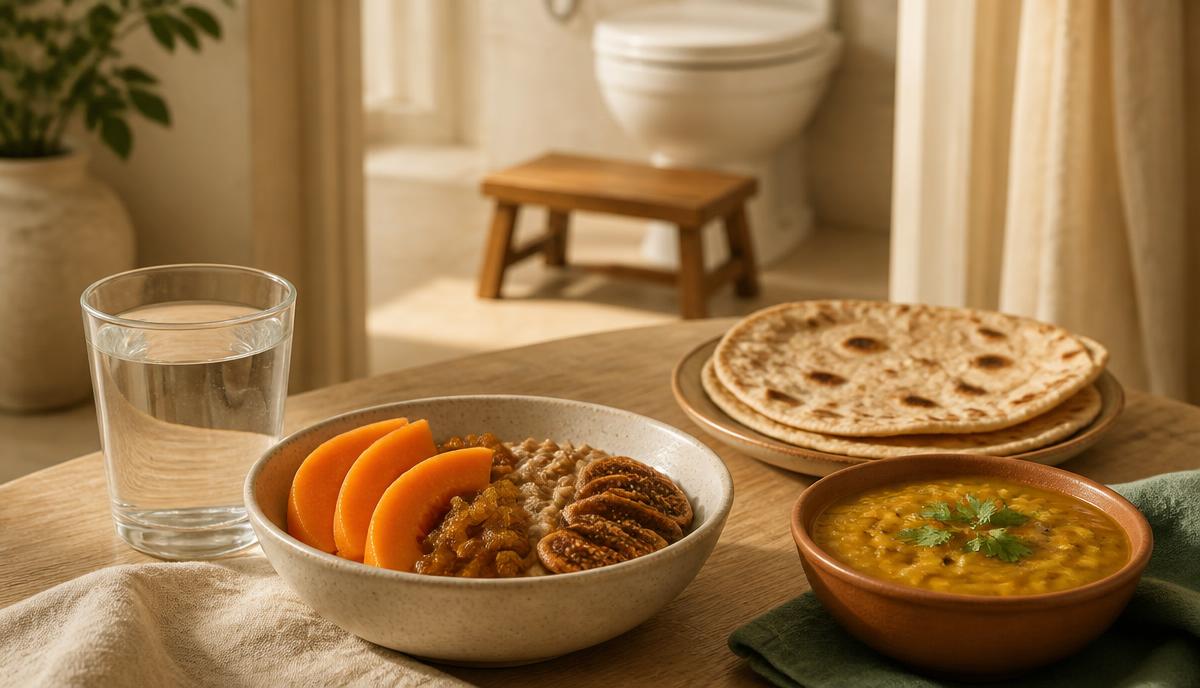
Straining on the toilet is one of the fastest ways to worsen prolapse and slow diastasis recovery. Here's how to fix constipation without straining.

If your back hurts every time you pick up the baby, the problem usually isn't your back. It's a deep core that lost its ability to stabilise your spine.

That visible ridge that pops out when you sit up or lift is a physio red flag. Here's what it means, what causes it, and the exercises that make it disappear.

A strong, coordinated pelvic floor in pregnancy means an easier birth, fewer leaks and a faster recovery. Here's the physio protocol.

What to do, what to modify and what to skip in each trimester, so you finish pregnancy strong and start recovery in a better place.

You cannot bulletproof yourself against diastasis recti, but you can meaningfully reduce your risk with the right movement, load management and breath work through all three trimesters.

That stubborn "mummy tummy" isn't fat, it's often diastasis recti. Here's what it is, how to check yourself, and the gentle path back to a strong core.

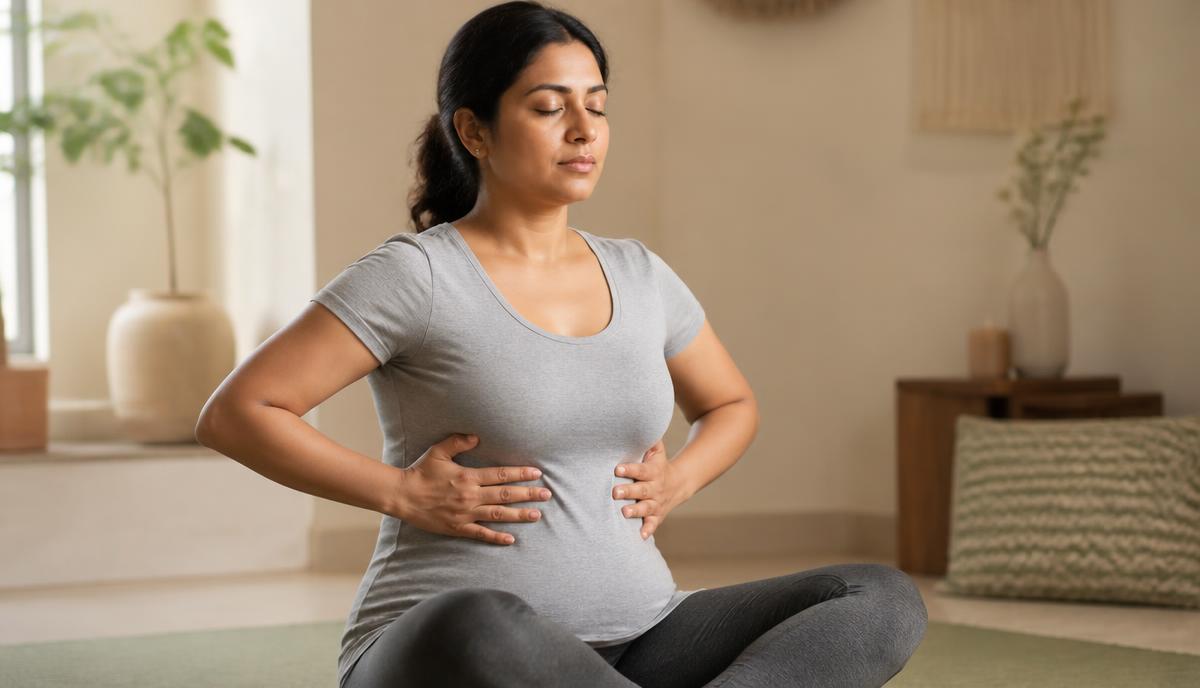
Before crunches, before planks, before anything, your deep core needs to remember how to fire. Lateral breathing is the unlock.

Leaking a little when you laugh or sneeze isn't "just part of being a mum". It's a sign your pelvic floor needs attention, and it's very fixable.

Forget the crash diets. The right foods help your tissues knit back together, support milk supply, and stabilise the mood swings nobody warned you about.

If you've been told "all new mums feel this way" but something feels heavier, trust your gut. Here's how to tell the difference and what helps.

You don't have to wait 6 weeks doing nothing. Here are the gentle, physio-approved movements you can start almost immediately, and the ones to wait on.