Postpartum Nutrition for Indian Mums, What Actually Helps Recovery
In this article
Your body just did something extraordinary. It built a human, then either grew one through your abdomen or pushed one out. The connective tissue, muscle, and skin that stretched all need raw material to repair, and "drop the baby weight" diets actively slow that down.
Indian postpartum tradition gets a lot right. Here's how to translate it into a modern recovery plan.
The four nutrients that drive tissue repair
1. Protein (the headline act)
Your linea alba, the connective tissue that stretches in diastasis recti, is made of collagen, which is made of protein. Aim for 1.2–1.5 g per kg body weight per day. For a 60 kg mum, that's around 75–90 g.
Easy wins: 2 eggs at breakfast, dal at lunch, paneer or chicken at dinner, a glass of milk before bed.
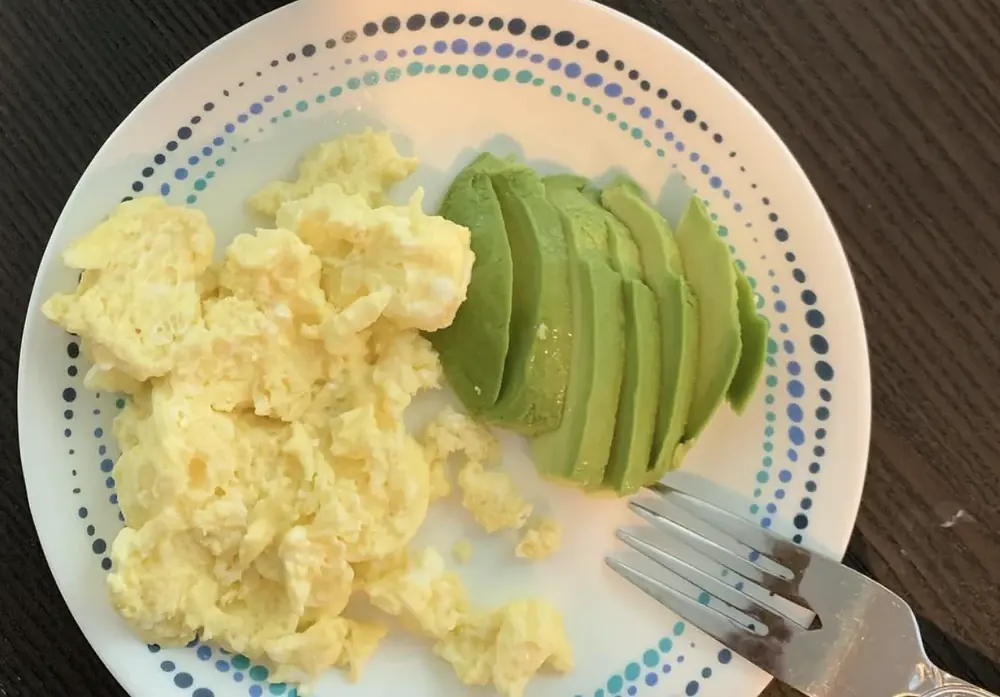 A genuinely easy protein win: two eggs, scrambled, with avocado on the side.
2. Vitamin C (the collagen activator)
Vitamin C is the cofactor your body needs to actually build collagen from the protein you eat. Amla, guava, lemon, capsicum, and citrus all deliver. One amla candy or a glass of nimbu pani daily is enough.
3. Iron (energy + healing)
Postpartum bleeding leaves most mums iron-depleted. Low iron = constant exhaustion, poor wound healing, low milk supply. Combine iron-rich foods (palak, rajma, ragi, dates, eggs) with vitamin C in the same meal to triple absorption.
4. Healthy fats (hormone repair)
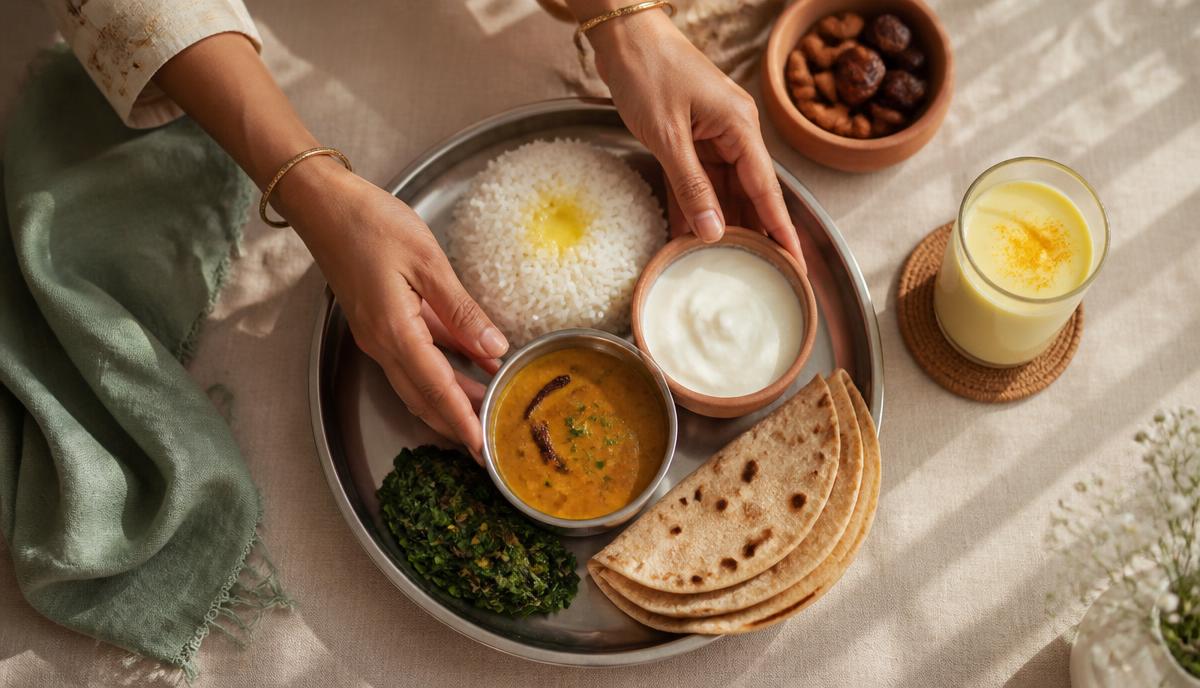
Ghee, coconut, til (sesame), and badam are postpartum staples for a reason. Fats rebuild cell membranes and support hormone balance. A tablespoon of ghee on your roti is doing more than you think.
Indian traditional foods that earn their place
- Methi laddoo / gond ke laddoo, protein + healthy fats in one bite
- Ajwain water, eases gas, supports digestion
- Haldi doodh, anti-inflammatory, helps tissue repair
- Moong dal khichdi, easy to digest when nothing else stays down
What to skip
- Crash diets in the first 6 months (slows healing, kills milk supply)
- Cold drinks and raw salads in the first 40 days (Ayurveda and modern recovery agree here)
- Excess caffeine (limit to 1 cup, ideally before noon)
Don't forget water
Aim for 3 litres a day if you're breastfeeding. Dehydration mimics every postpartum complaint, fatigue, brain fog, constipation, low supply, and even leaks.
The goal isn't to "bounce back". It's to rebuild stronger. Eat for the body you're building, not the body you had.
Because this guide mentions…
Written by
Ana (Anastasia Uvarova)
Women's Health Physiotherapist
UK-qualified physiotherapist, founder of Alpha Physio Care
UK-qualified women's health physiotherapist and founder of Alpha Physio Care. Ana designed the Mum21 12-week recovery program.
Medically reviewed by
Mum21 Clinical Team
Editorial and clinical review
Physiotherapy-led editorial team
The Mum21 editorial team works with practising women's health physiotherapists to keep every guide accurate and current.
Last clinical review: 3 August 2026
Part of the Postpartum Nutrition topic hub, a physiotherapist-reviewed collection of guides on postpartum nutrition.
Join 10,000+ Mums
Honest, physio-backed postpartum recovery tips in your inbox. One email a week. No spam, ever.
No spam. Unsubscribe in one click.
Continue reading
The next steps in the postpartum nutrition learning path.
- How Long Does It Take to Close Diastasis Recti? A Realistic Timeline60% of mothers still have diastasis recti at 6 weeks postpartum. Here's what actually happens between 6 weeks and 12 months, and why 'it'll close on its own' is true for some mothers and false for others. 8 min read · Diastasis Recti
- Do Postpartum Belly Wraps and Support Belts Actually Close Your Gap?A randomized trial put this to the test directly: 8 weeks, ultrasound-measured, belt vs. wrap vs. nothing. The honest result isn't what most product listings claim. 7 min read · Diastasis Recti
- Diastasis Recti Surgery: Cost, Recovery, and When You Actually Need ItSurgery is a real, appropriate option for some mothers — but the actual clinical criteria for it include trying structured training first. Here's what surgery involves, real recovery timelines, and how to know which category you're in. 8 min read · Diastasis Recti
Related topics
Diastasis Recti
Everything on diastasis recti in one place: how to check your gap at home, what closes it, what makes it worse and how long real recovery actually takes.
15 guidesC-Section Recovery
Physio-led guidance on cesarean healing: scar mobility, the C-section shelf, safe timelines and exactly when to restart core work after your surgery.
11 guidesPelvic Floor
Leaks, heaviness, pressure management and pelvic floor training after birth, explained step by step by a UK-qualified women's health physiotherapist.
3 guides