Meet the physio
Hi, I'm Ana.
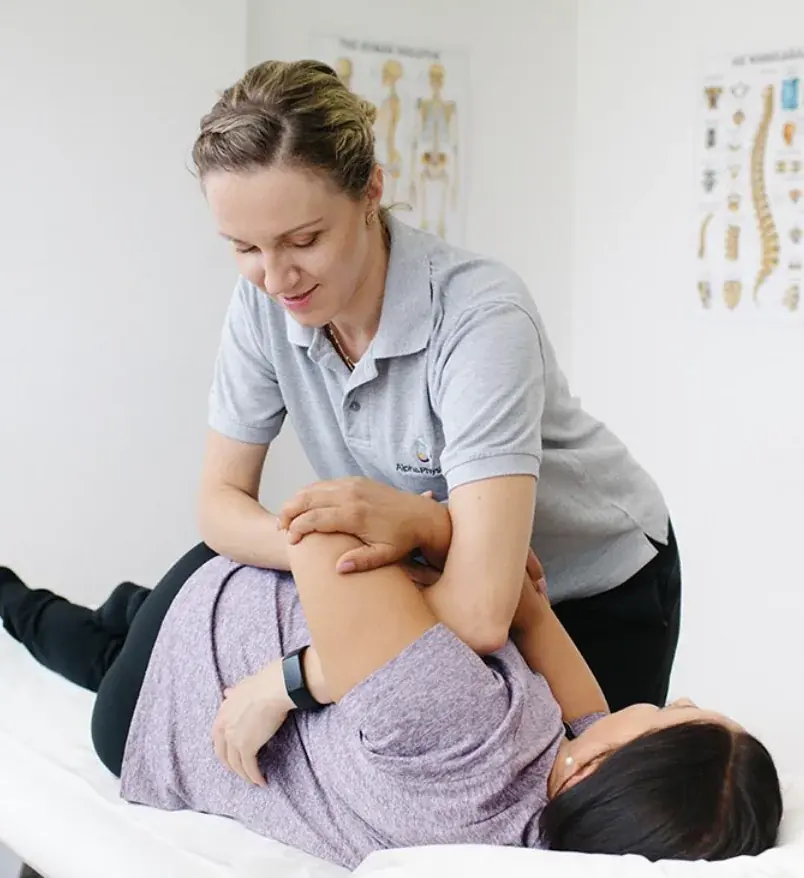
I'm a UK-qualified women's health physiotherapist. I graduated from the University of Bradford with a BSc (Hons) in Physiotherapy in 2010, and founded my clinic, Alpha Physio Care, in 2017. For the last fifteen years I've worked one-on-one with pregnant and postpartum women. Mum21 is the 12-week protocol I use with my own patients, rebuilt so any mum can follow it at home.
I'm also a mother of two boys. Everything I ask you to do in this program, I've done in my own living room, with a baby on the floor beside me.
Credentials
Why I built Mum21
I have two boys of my own, so I know the version of this that never makes it into a clinic note: the 3am feeds, the belly you don't recognise in the mirror, the way nobody checks on your body again after the six-week postnatal visit, even though that's exactly when the real work of recovery should begin. Childbirth is a serious physical event. It deserves a rehabilitation plan, the same way any other major physical trauma would get one, not a shrug and a belly band.
In clinic I kept meeting the same mother. She had a 3 or 4 finger gap above her navel, a heavy feeling in her pelvic floor, and a back that hurt every time she picked up the baby. She'd been told the gap would close on its own. She'd been told the leaks were normal. She'd been told to wear a belly band and wait. Years later nothing had changed, and she'd quietly stopped believing her body could be different.
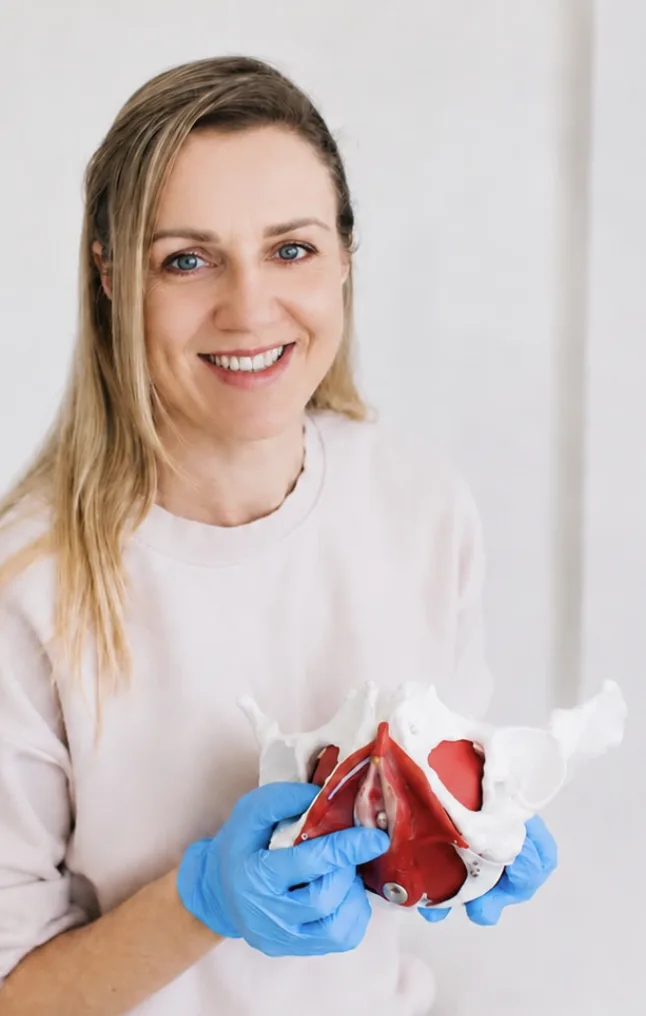
Diastasis recti is not a cosmetic problem, it's a deep-core problem. The linea alba, the connective tissue running down the middle of the abdomen, stretches during pregnancy and needs a specific reloading sequence to regain tension. Crunches and planks make it worse. Lateral breathing, transverse abdominis activation, and graded pelvic floor work make it better. That sequence is what the 12 weeks of Mum21 walk you through.
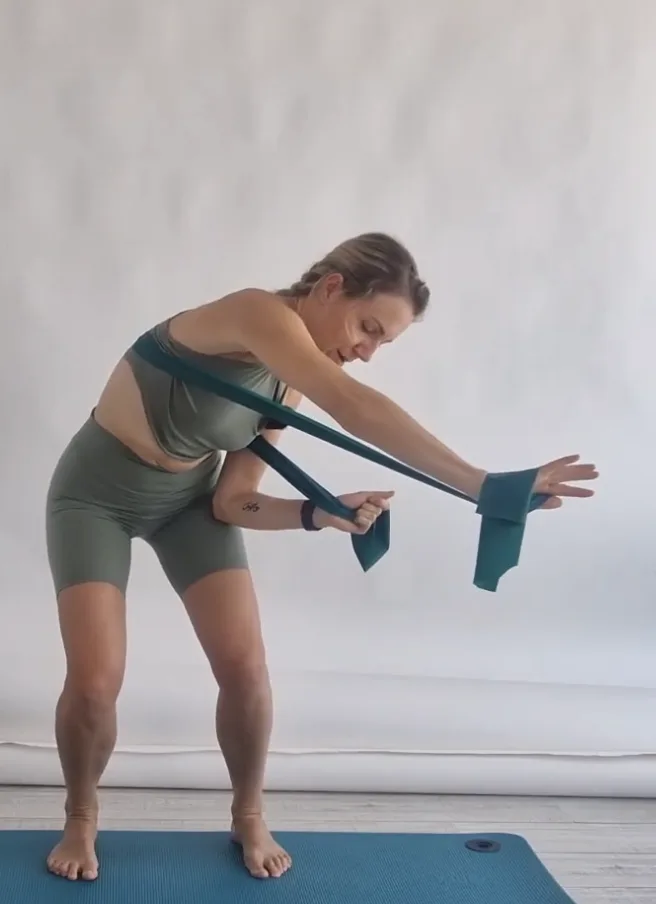
I built Mum21 for how mothers actually live, around feeds, naps, family schedules and the days you never quite get to yourself. Fifteen minutes a day, light weights, a Pilates ball, a resistance band. No clinic visit, no gym, no equipment you can't keep under the bed.
How I work
- • Every exercise in the program is one I've personally taught in clinic, filmed at the same pace I'd cue it in person.
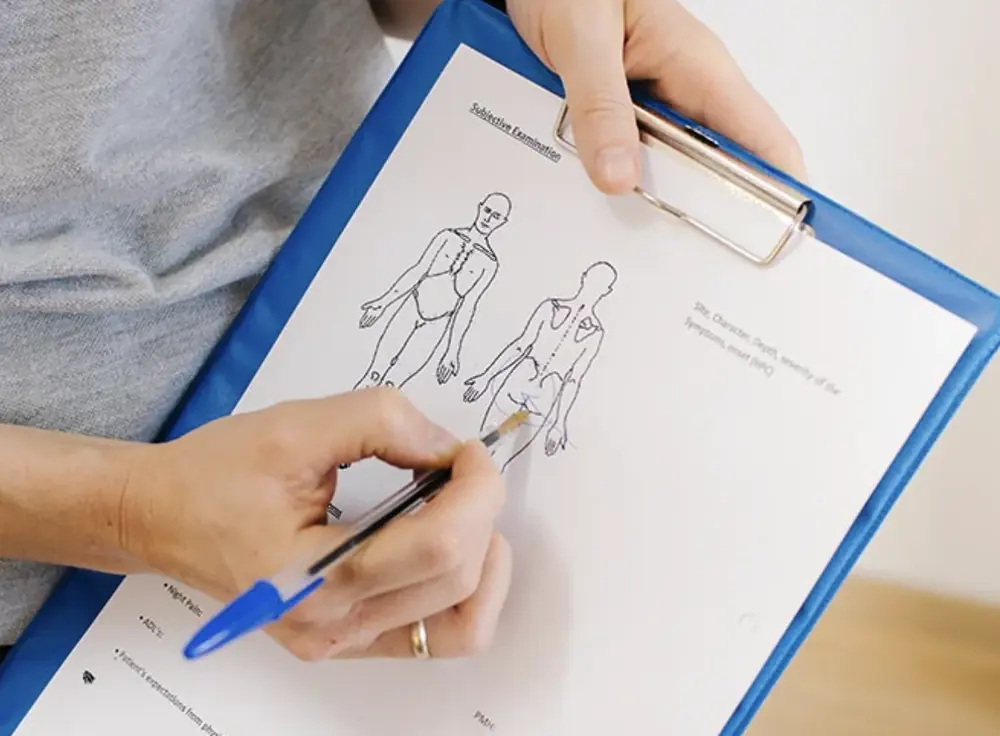
- • Progress is measured the way physios measure it: finger-width gap at the navel, 2cm above and 2cm below, checked at week 1, week 6 and week 12.
- • Each week unlocks only after the previous one, because loading the core too early is the single biggest reason recovery stalls.
A personal note
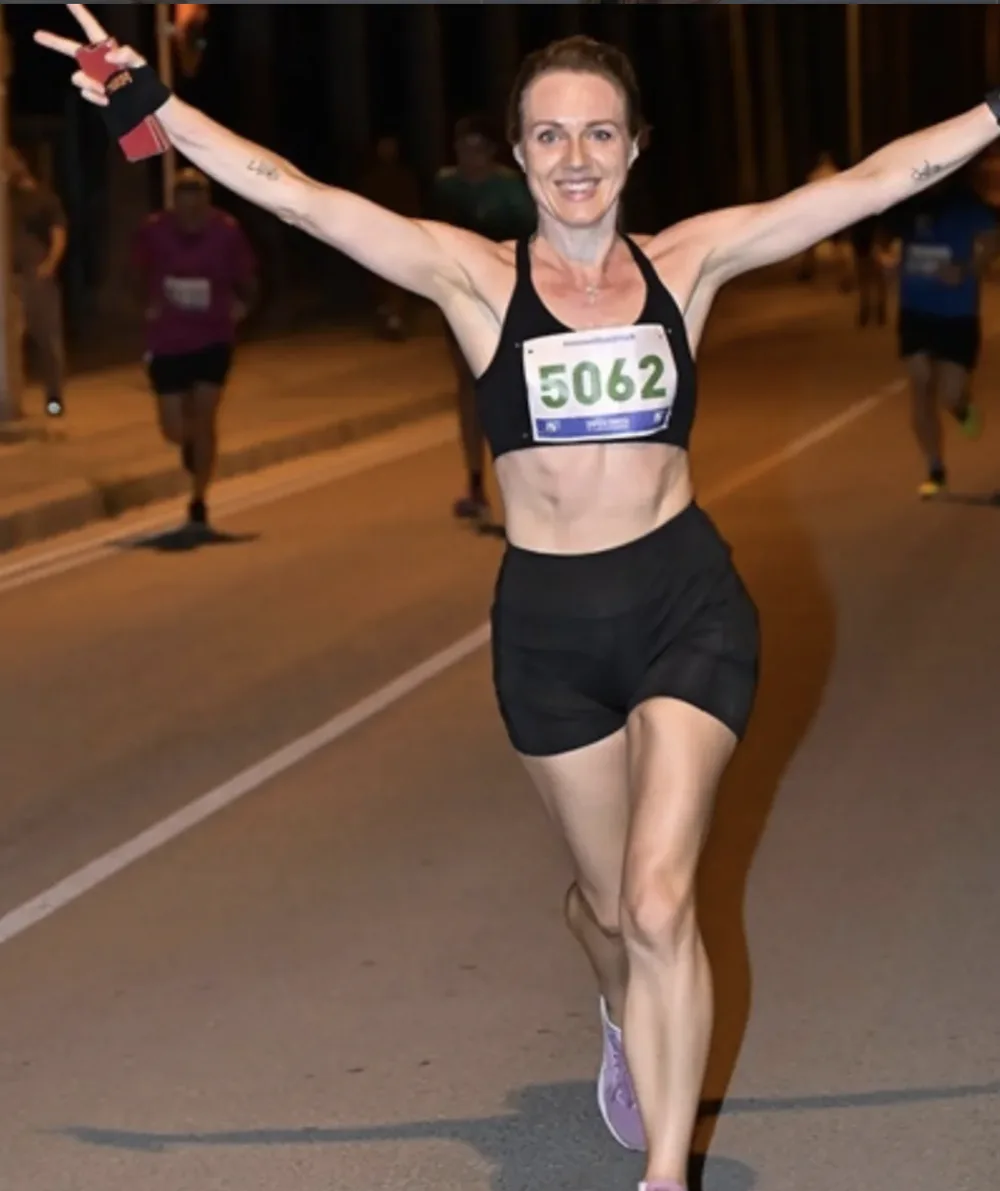
If you've been told this is just how your body is now, I want you to gently disagree. I've seen mothers close 4cm gaps eight years postpartum. I've seen a decade of leaks settle in twelve weeks. Your body wants to heal. It just needs to be shown how, in the right order, at the right intensity. I'm back to running and lifting after two babies of my own — I'm not asking you to trust something I haven't done myself.
— Ana