Belly Binding and Postpartum Massage: The Tradition Behind It, and What It Actually Does
In this article
- The tradition, region by region
- What binding and massage actually do, honestly
- How to get the real benefit without the downside
- FAQ
- Is belly binding safe after a C-section?
- Does belly binding help close diastasis recti?
- How long should I wear a postpartum belly wrap?
- What's the difference between belly binding and a medical abdominal binder?
- Where the tradition and modern physio actually agree
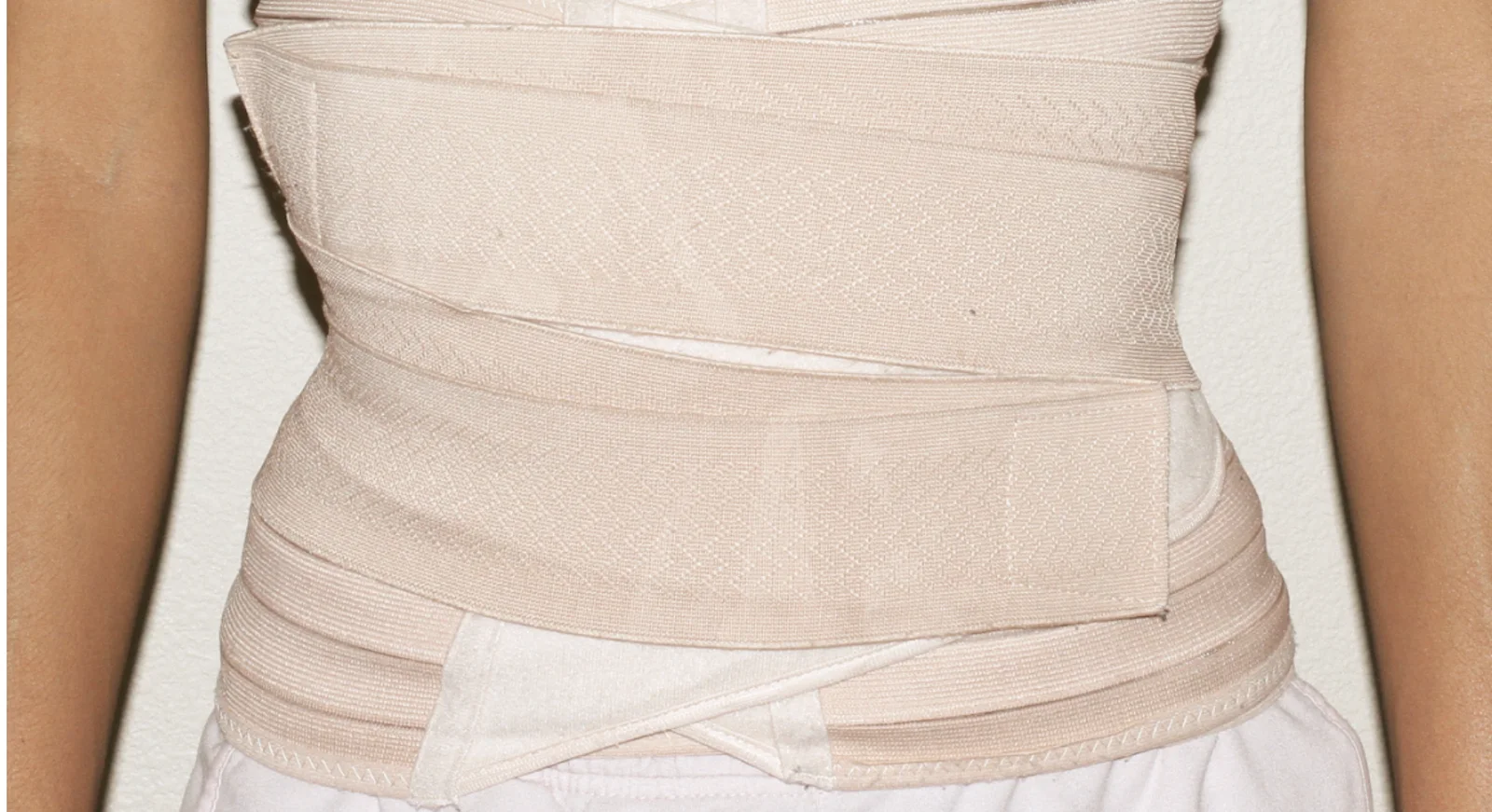
In much of India, a new mother's midsection is wrapped in cloth within days of delivery. In China, the first month postpartum, zuo yuezi, "sitting the month", comes with its own daily massage and binding rituals. In Malaysia and Indonesia, bengkung wrapping is a whole practiced art, done in a specific sequence, often by someone trained in it for generations.
This isn't a wellness trend. It's older than the countries themselves, and it deserves to be understood on its own terms, not dismissed and not oversold.
The tradition, region by region
India: the 40-day sava mahina. The postpartum period is treated as a distinct, protected phase, not a return to normal life on a schedule. A new mother is fed specific warming foods, kept largely at home, and often has her abdomen massaged with warm oil, sesame or mustard depending on region, followed by wrapping with a long cotton cloth, the udar bandhani. The woman doing this is frequently an elder relative or a trained dai (traditional birth attendant), and the practice is understood as much as care and containment as anything physical.
China: zuo yuezi. A full month of structured rest, warmth, and specific foods (ginger, red dates, pork trotter soup), during which binding of the abdomen is common, done by a mother, mother-in-law, or a hired yuesao (confinement nanny) specifically trained in postpartum care. The underlying belief is that the body is in a uniquely open, vulnerable state after birth, one that structured warmth and support helps close safely.
Malaysia and Indonesia: bengkung. A specific, long woven cloth wrapped in a defined pattern from hip to ribs, often applied daily for weeks, frequently alongside a herbal postpartum massage (urut) performed by a trained practitioner. It's taught as a genuine skill, not a generic accessory you buy and wrap yourself.
What these traditions share isn't really "binding" as the headline feature. It's structured rest, community care, someone else's hands doing the massage and the wrapping, and food and warmth treated as medicine. The cloth is one part of a much bigger system of being cared for.
 Being cared for, in whatever form that takes.
What binding and massage actually do, honestly
Real, supported benefits in the early weeks:
- Comfort and a felt sense of support, especially after a C-section, where gentle compression can genuinely ease the sensation of your midsection feeling "unsupported" or loose.
- A psychological sense of containment, which shouldn't be dismissed as unimportant. Many mothers describe a real feeling of being physically held together during a period when nothing else feels stable.
- Massage specifically (separate from the binding itself) supports circulation, can ease tension, and, when done gently around a C-section scar once it's healed enough, can help prevent the tissue from sticking to the layers beneath it, one contributor to what's sometimes called the C-section shelf.
- A cultural container of rest. The single most protective part of these traditions may not be the cloth at all, it's that they force weeks of genuine rest and support in cultures where new mothers might otherwise be expected back on their feet immediately.
What it doesn't do, based on current evidence:
- It doesn't close diastasis recti. Ab separation closes through a specific sequence of deep core activation and progressive loading, not external compression. Binding can make you look more put-together while doing nothing to the actual muscle separation underneath.
- Worn continuously for months, it can work against you. Relying on external support for too long can mean your deep core never has to reactivate on its own, the opposite of what you actually need. This is the one real caution physiotherapists consistently raise about binding: it's a short-term comfort tool, not a long-term strategy.
How to get the real benefit without the downside
Use binding, if it feels good, in the first one to two weeks specifically for comfort and support, especially after a C-section. Let it help you feel steadier while you're doing the gentler early work: breathing, alignment, short walks. Then let your deep core start taking over the job the binding was doing, through the actual activation-then-loading sequence, rather than keeping the wrap on "just in case."
Keep the massage. Gentle abdominal and scar massage, once you're cleared for it, has real, ongoing value on its own, completely separate from whether you're also wrapping.
And keep the rest. If there's one part of these traditions worth protecting above the cloth itself, it's the structured weeks of being cared for rather than expected to bounce back. That part isn't optional extra, it's the part doing the most work.
FAQ
Where the tradition and modern physio actually agree
Every one of these traditions is built on a premise modern postpartum physiotherapy shares completely: the weeks after birth deserve real, structured care, not a fast return to normal. Mum21's own program is grounded in exactly that same principle, alignment and rest first, then breath and pelvic floor, then core, the same sequence these traditions have protected for generations, built out as a guided, physio-led program for however you're doing your recovery.
Because this guide mentions…
- C-Section RecoveryScar mobility, the C-section shelf and a safe return to core work.
- Diastasis Recti GuideAssess the gap, understand what closes it, and progress safely.
- Lateral Breathing BasicsThe breathing mechanic every deep-core exercise is built on.
- Pelvic Floor GuideWhy leaks and heaviness happen, and how to train the floor properly.
Written by
Ana (Anastasia Uvarova)
Women's Health Physiotherapist
UK-qualified physiotherapist, founder of Alpha Physio Care
UK-qualified women's health physiotherapist and founder of Alpha Physio Care. Ana designed the Mum21 12-week recovery program.
Medically reviewed by
Mum21 Clinical Team
Editorial and clinical review
Physiotherapy-led editorial team
The Mum21 editorial team works with practising women's health physiotherapists to keep every guide accurate and current.
Last clinical review: 24 August 2026
Part of the C-Section Recovery topic hub, a physiotherapist-reviewed collection of guides on c-section recovery.
Join 10,000+ Mums
Honest, physio-backed postpartum recovery tips in your inbox. One email a week. No spam, ever.
No spam. Unsubscribe in one click.
Continue reading
The next steps in the c-section recovery learning path.
- Weight Loss After a C-Section: What Actually Changes, and WhenA realistic, physio-backed answer, not a 30-day plan promising your old body back. What's different about weight after a C-section specifically, and what actually helps. 7 min read · C-Section Recovery
- Is Yoga Safe After a C-Section? A Physio's Honest AnswerThe honest answer is "it depends on the pose and the week," not yes or no. Here's which yoga is genuinely safe after a C-section, which isn't yet, and why the difference matters. 6 min read · C-Section Recovery
- C-Section Recovery Tips: A Physio's Real Punch ListNot a generic "listen to your body" list. Specific, week-anchored things a women's health physio actually tells C-section patients, including the ones nobody mentions before you go home. 8 min read · C-Section Recovery
Related topics
Diastasis Recti
Everything on diastasis recti in one place: how to check your gap at home, what closes it, what makes it worse and how long real recovery actually takes.
18 guidesPelvic Floor
Leaks, heaviness, pressure management and pelvic floor training after birth, explained step by step by a UK-qualified women's health physiotherapist.
4 guidesCore Recovery
Deep core activation, breathing mechanics and progressive strength work that rebuild the postpartum core without doming, coning or pelvic floor strain.
14 guides